
Warning Signs Your Sump Pump Is Failing Before Spring Storms Flood Your Basement
Madison, United States - March 23, 2026 / Basement Repair Specialists LLC /
For homeowners in Wisconsin and Minnesota, the arrival of spring is a double-edged sword. While the warmer temperatures are a welcome relief, the combination of melting snow and heavy spring rains creates a significant threat to your home’s foundation. During this transition, your sump pump becomes the most important mechanical system in your house. It is the silent guardian that stands between a dry, usable basement and a catastrophic, expensive flood.
At Basement Repair Specialists LLC, we operate under the philosophy of providing “A Great Job at a Great Price®.” We know that preventing a flood is far more cost-effective than remediating one. In this guide, we will break down the critical signs of sump pump failure and how you can ensure your home stays protected during the high-risk spring thaw.
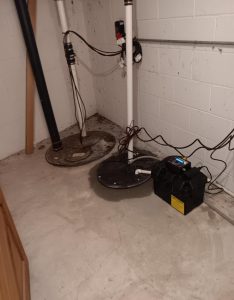 The Sump Pump: Your Foundation’s First Line of Defense
The job of a sump pump is simple but vital: it collects groundwater from the perimeter drain tile around your foundation and pumps it safely away from the house. When the ground becomes saturated, hydrostatic pressure builds up. Without a functional pump, that water will find the path of least resistance—usually through floor cracks or the cove joint where your wall meets the floor.
Because these systems often sit in dark, quiet corners of the basement, it is easy to forget they exist until they stop working. However, mechanical systems do not last forever. Recognizing the warning signs of a dying pump today can save you thousands of dollars in water damage restoration tomorrow.
5 Warning Signs Your Sump Pump is Dying
If your pump is exhibiting any of the following behaviors, it is time to consider a professional inspection or a proactive replacement before the next big storm hits.
- Strange Noises or Excessive Vibration: If your pump sounds like it is sucking on gravel or making loud thumping noises, it likely has a damaged impeller or a failing motor bearing. A noisy pump is a struggling pump.
- Irregular Cycling or Constant Running: A pump that turns on and off every few seconds—or one that never shuts off at all—is under immense strain. This is often caused by a faulty float switch or a check valve that isn’t preventing water from flowing back into the pit.
- Visible Rust and Clogged Intake Screens: Sump pits can accumulate dirt and debris. If the intake screen is clogged or the pump body is covered in corrosion, the motor has to work much harder to move water, leading to a premature burnout.
- The Pump is 7-10 Years Old: Like any appliance, sump pumps have a lifespan. Even if it seems to be running fine, the internal seals and electrical components become less reliable after a decade of service.
- Frequent Power Outages: If your area is prone to storms that knock out electricity, a perfectly functional pump is useless without a secondary power source.
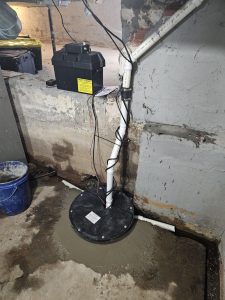
The Importance of a Battery Backup System
The biggest mistake a homeowner can make is relying solely on a single, corded sump pump. Think about when your sump pump is needed most: during a violent thunderstorm. These are the exact moments when power outages are most likely to occur. If the power goes out, your primary pump stops, but the water in the ground keeps rising.
We highly recommend the installation of a Battery Backup Sump Pump. These systems act as a secondary defense. If the primary pump fails—either due to a mechanical breakdown or a loss of power—the backup system kicks in automatically. Many modern backup systems also include an audible alarm to notify you that the primary system has been compromised, giving you time to react before a flood occurs.
Beyond the Pump: Checking Your Discharge Line
A pump can only be successful if the water has somewhere to go. During the Midwest spring, discharge lines can become blocked by leftover ice, debris, or even rodents that have nested in the pipe over the winter. If the discharge line is obstructed, the water will simply cycle back into the pit or put enough backpressure on the pump to burn out the motor.
Ensure your discharge line extends at least 10 feet away from your foundation and that the exit point is clear of obstructions. We often install “Ice Guards” or specialized discharge outlets that allow water to escape even if the end of the pipe is frozen or buried in snow.
Frequently Asked Questions
How often should I test my sump pump?
You should test your pump at least once every three months, and definitely right before the spring thaw begins. You can do this by slowly pouring a 5-gallon bucket of water into the sump pit until the float rises and the pump engages.
Why is my sump pump running but no water is moving?
This is often a sign of “vapor lock.” If air is trapped in the pump, it cannot create the suction needed to move water. A small, properly drilled relief hole in the discharge pipe usually prevents this. It could also indicate a failed check valve or a broken impeller.
What is the “Great Price” advantage for waterproofing?
At Basement Repair Specialists LLC, we utilize engineered standards and efficient installation techniques. Because we keep our overhead low, we can offer premium-grade pumping systems and professional installation at a price point that is significantly more accessible than the national franchises.
Stay Ahead of the Storm
Spring flooding doesn’t have to be an inevitable part of homeownership. By paying attention to the warning signs of a failing pump and investing in a reliable backup system, you can protect your finished basement and your peace of mind. Your sump pump is the heart of your home’s water management system—make sure it’s ready for the challenge.
Is your sump pump ready for the spring thaw? Contact Basement Repair Specialists LLC today for a free waterproofing audit and ensure your basement stays dry.


Contact Information:
Basement Repair Specialists LLC
4230 E Towne Blvd
Madison, WI 53704
United States
Tom Trinko
(608) 886-2728
https://basementrepairspecialists.com/
